

Diabetes does not affect only blood sugar levels. It also has a direct and important impact on oral health, especially the gums, the bone around the teeth, and the body’s ability to heal.
Often, the mouth is one of the places where signs of poorly controlled diabetes can appear. For this reason, dental care is an important part of overall diabetes management.
How is diabetes connected to dental problems?
When blood glucose is high:

- Sugar levels can also increase in saliva
- Bacteria can grow more easily
- The immune response becomes weaker
- Tissue healing becomes slower
The result is an environment that is more favorable for chronic inflammation and oral infections.
Gum disease
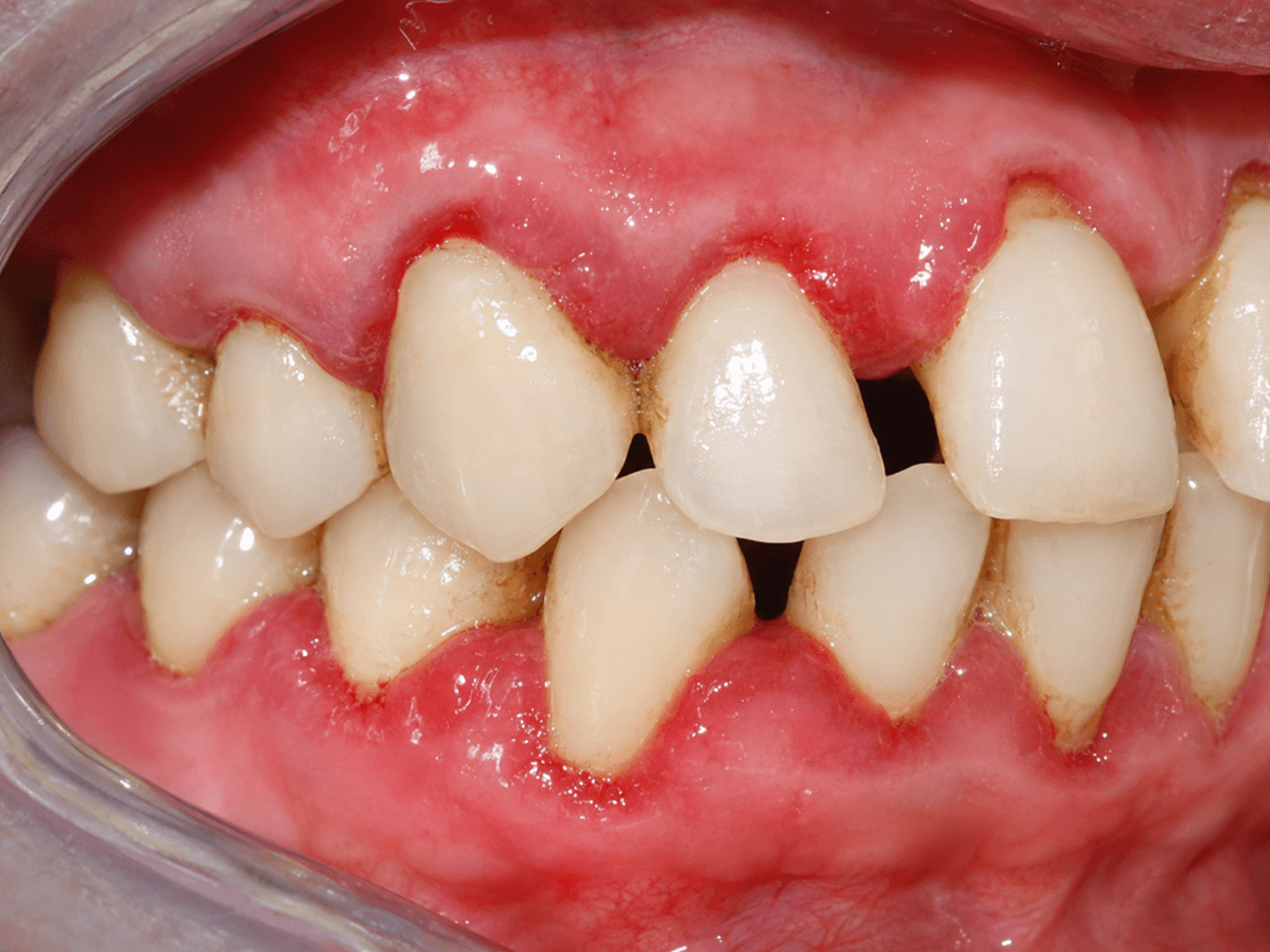
Diabetes significantly increases the risk of gingivitis and periodontitis. Common signs include:
- Red and swollen gums
- Bleeding while brushing
- Gum recession
- Bone loss around the teeth
Periodontitis is more common and can be more aggressive in patients with diabetes, especially when diabetes is not well controlled.
More frequent and more severe infections
Patients with diabetes may be more vulnerable to bacterial and fungal infections, including oral candidiasis.
Common signs may include:
- White or red patches in the mouth
- Burning or pain
- Cracks at the corners of the lips
- Persistent gum inflammation
Oral infections in patients with diabetes may spread more quickly and heal more slowly.
Dry mouth
Diabetes is often linked with dry mouth, also called xerostomia. This can cause:
- Reduced saliva production
- A feeling of dryness or burning
- Difficulty chewing and speaking
Saliva is a natural protection for the teeth. When it is reduced, the risk of tooth decay, staining, yellowing, and enamel erosion increases.
Faster tooth loss
Uncontrolled periodontitis in patients with diabetes may progress more quickly, damage more bone, and lead more often to tooth loss.
There is also a two-way relationship: diabetes can worsen gum disease, and periodontal inflammation can make diabetes harder to control.
Tooth decay
In patients with diabetes:
- Sugar levels in saliva may increase
- Bacteria can feed more easily
- Enamel may be damaged faster
This creates conditions for faster and more aggressive tooth decay, even in people who brush regularly.
Typical signs include dark spots on the teeth, sensitivity to cold or sweet foods, and pain in advanced stages.
Bad breath
Persistent bad breath is common in patients with diabetes and may be linked with:
- Dry mouth
- Gum infections
- Bacterial buildup
- Poorly controlled diabetes
In some cases, breath may have an acetone-like smell related to metabolic imbalance. Halitosis is not always only a hygiene issue; it can also be a systemic signal.
Slow healing
Diabetes affects blood circulation, immune response, and tissue regeneration.
After tooth extractions, oral surgery, or periodontal treatment, patients with diabetes may heal more slowly, have a higher risk of infection, and need closer monitoring.
That is why diabetes control before dental treatment is essential.
Changes in the tongue and taste
Diabetes can cause a dry or cracked tongue, a red or irritated tongue, a white or yellow coating, and a burning sensation.
Many patients also report a metallic taste, reduced taste sensitivity, or unusual bitter tastes. These changes can affect appetite, nutrition, and quality of life.
Oral signs that should not be ignored
Patients with diabetes should seek professional evaluation if they notice:
- Gums that bleed often
- Persistent swelling or redness
- Chronic dry mouth
- Strange taste or bad breath
- Teeth that look longer because of recession
- Unusual pain or sensitivity
These are not normal symptoms and should not be delayed.
What is recommended for patients with diabetes?
- More frequent dental checkups
- Periodic professional cleanings
- Correct and gentle oral hygiene
- Informing the dentist about diabetes status
- Personalized and planned treatment
Well-controlled diabetes helps support a healthier mouth, while healthy gums can support better diabetes control.
An important message for patients
Diabetes and oral health are closely connected. Caring for the gums is not only a dental issue; it is part of overall diabetes management.
A healthy smile also supports a healthier body.