Menopause is a physiological stage characterized by a decrease in estrogen and progesterone. These hormones affect not only the body in general, but also oral tissues, salivary glands, and alveolar bone.
Research and clinical experience show that these hormonal changes may increase the predisposition to several dental and periodontal problems. For this reason, oral care during this period becomes especially important.
Main oral changes during menopause
Menopause can be associated with several changes in the mouth. They do not appear the same way in every patient, but when they are present, they should not be ignored.
Dry mouth
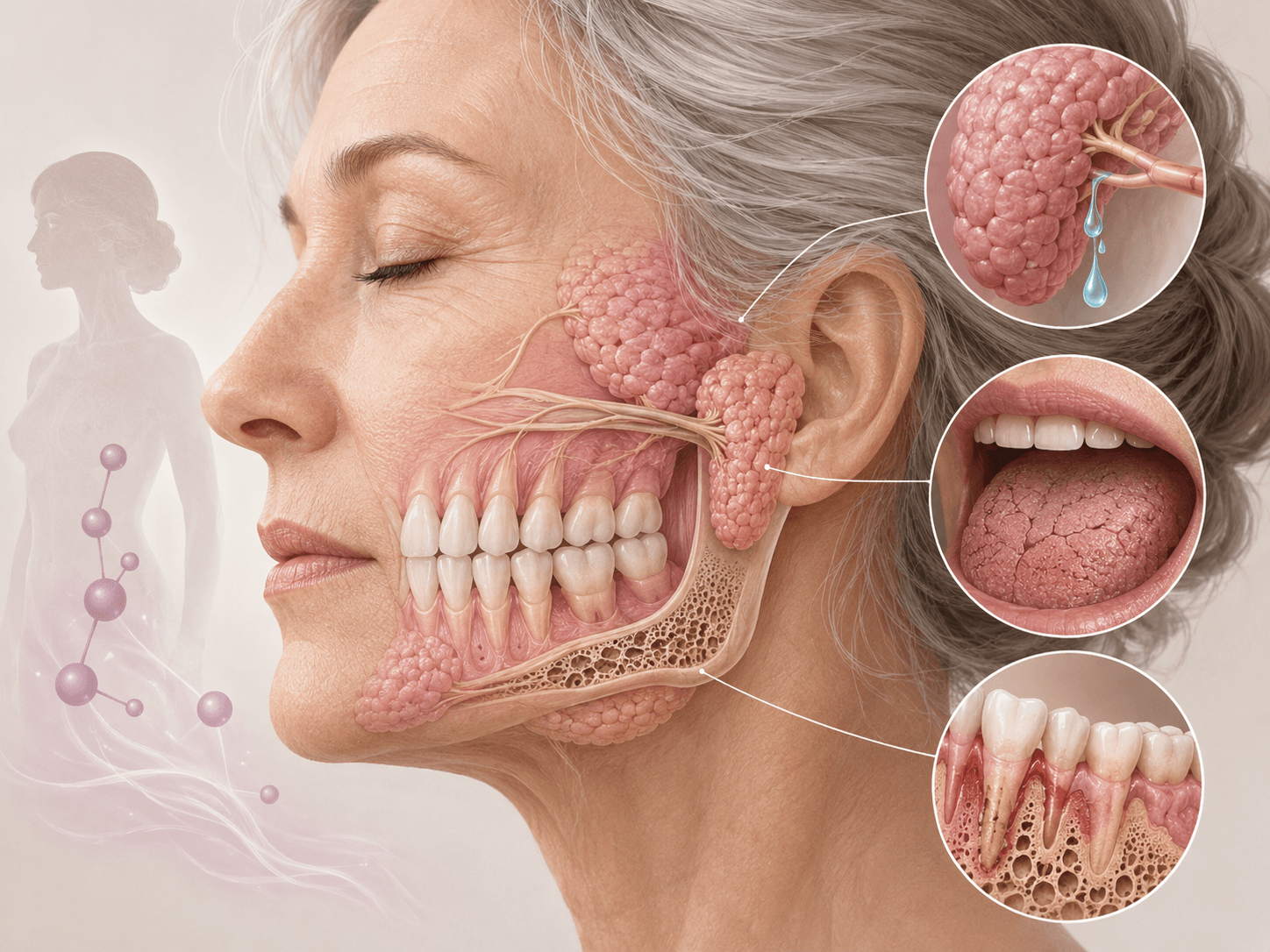
Lower estrogen levels may affect salivary gland function and reduce saliva production.
Saliva is an important protective factor against bacteria and oral acidity. When saliva decreases, the risk increases for:
- Tooth decay
- Oral infections
- Bad breath
- Difficulty chewing and speaking
- Burning or discomfort
This condition is called xerostomia and should be evaluated, especially when it persists.
Increased risk of periodontal disease
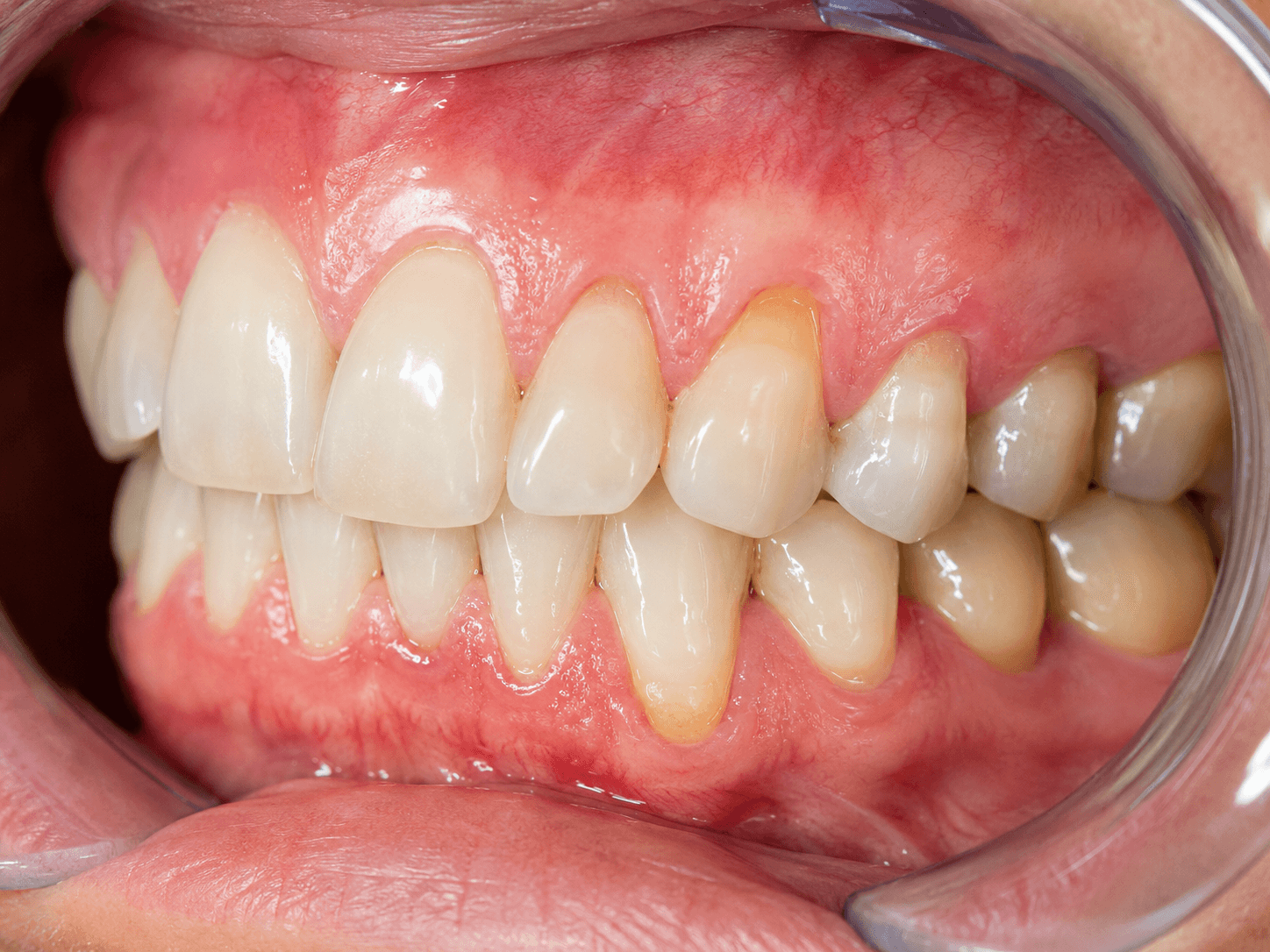
Hormonal changes may affect the inflammatory response and bone metabolism. For this reason, some women during or after menopause may become more sensitive to gingivitis and periodontitis.
Signs to watch include:
- Bleeding gums
- Red or swollen gums
- Gum recession
- Tooth mobility
- Sensitivity or pain while chewing
Regular periodontal checkups help detect these changes early.
Loss of bone density
Estrogen plays an important role in maintaining bone density. Its decline can also affect alveolar bone, the bone that supports the teeth.
When this bone loses volume or stability, the risk of tooth mobility, gum recession, and tooth loss may increase, especially when untreated periodontitis is present.
Oral mucosa changes and burning mouth syndrome
Some women report a burning sensation in the mouth, mucosal irritation, persistent dryness, or increased sensitivity of oral tissues.
These symptoms may be related to hormonal changes, dry mouth, medications, stress, or other health factors. That is why professional evaluation is important instead of assuming they are normal discomforts.
Taste changes and dental sensitivity
Reduced saliva and hormonal changes may cause:
- Altered taste
- Metallic or bitter taste
- Increased dental sensitivity
- Greater desire for sweet or acidic foods
This can indirectly increase the risk of tooth decay and enamel wear.
Why do these changes happen?
Oral tissues, including the gums, mucosa, salivary glands, and alveolar bone, are influenced by hormonal changes. The decrease in estrogen during menopause may affect bone metabolism, local immunity, and saliva production.
This can make the mouth more sensitive to inflammation, infections, and dryness.
How to protect oral health during menopause
Clinical recommendations include:
- Regular dental checkups to monitor gums and bone
- Consistent and careful oral hygiene
- Periodic professional cleanings
- Fluoride products to strengthen enamel
- Good hydration throughout the day
- Saliva-stimulating or saliva-replacement products when xerostomia is present
- Early treatment of gingivitis and periodontitis
If you take medications or have chronic health conditions, inform your dentist, because these factors can also affect the mouth.
Clinical conclusion
Menopause is not only a systemic hormonal change, but also a period that can directly influence oral health.
Dry mouth, increased periodontal risk, and loss of bone density are among the most important changes to monitor.
With regular dental checkups and personalized preventive protocols, most of these complications can be prevented or managed effectively.