The secret to bone health: why implants are better for the jaw than dental bridges
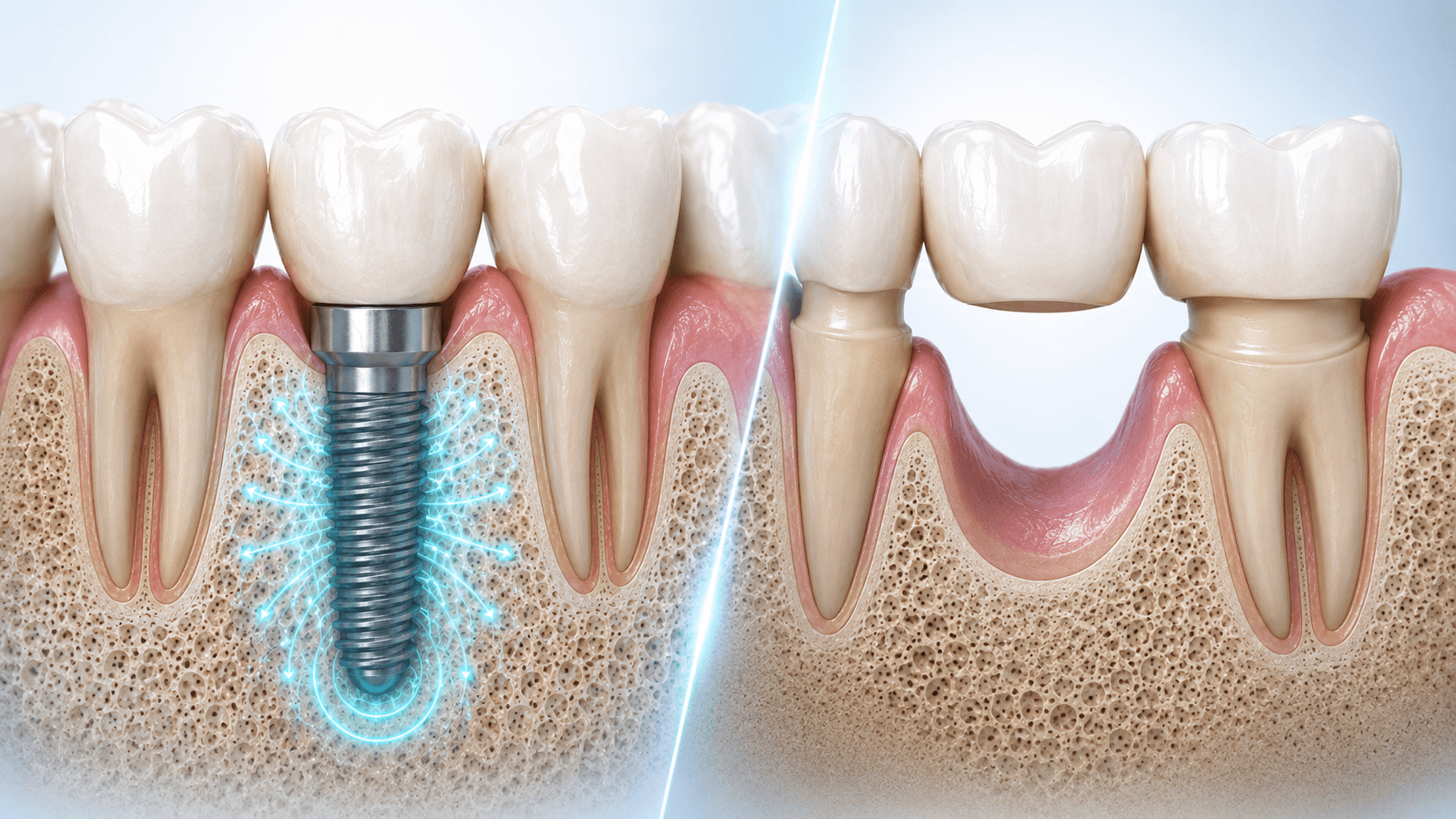
Oral health is not only about keeping teeth intact. It is also about preserving the volume and density of the alveolar bone, the biological foundation that gives every dental restoration its stability. From a scientific point of view, the jawbone is a dynamic tissue that constantly adapts to the functional forces of chewing. When a tooth is lost and is not replaced in time, that area no longer receives biomechanical stimulation from the dental root, which activates progressive bone resorption. Clinical studies show that alveolar bone loss begins in the first months after extraction and can lead to a significant reduction in bone volume during the first years.
This bone loss does not only have local consequences. It also directly affects facial aesthetics by reducing soft-tissue support, deepening nasolabial lines, and gradually changing the facial profile. Functionally, reduced bone volume can compromise the stability of prosthetic restorations, make chewing more difficult, and, in advanced cases, require additional surgical procedures such as bone augmentation before oral rehabilitation.
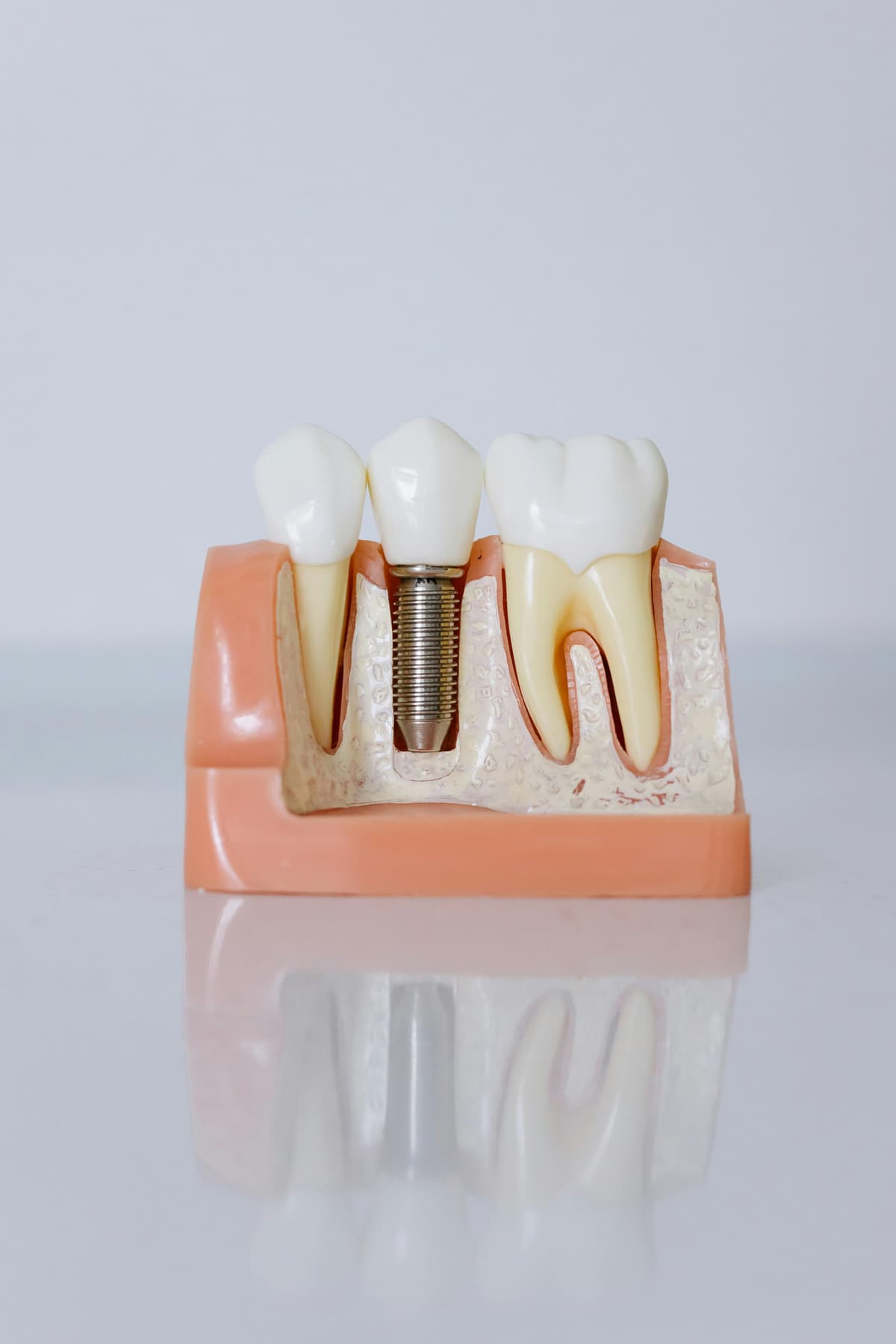
Dental implants are currently considered the most physiological and biologically favorable solution for replacing missing teeth because they imitate the function of the natural tooth root and transmit chewing forces directly into the bone. This mechanical stimulation activates bone remodeling and helps preserve the density and volume of the alveolar bone, significantly reducing bone resorption compared with traditional prosthetic options such as dental bridges, which do not provide direct bone stimulation.
For this reason, in modern oral rehabilitation protocols, implantology is considered the gold standard for replacing missing teeth, not only because of functional and aesthetic stability, but also because of its scientifically documented role in preserving long-term jawbone health and oro-facial structure.
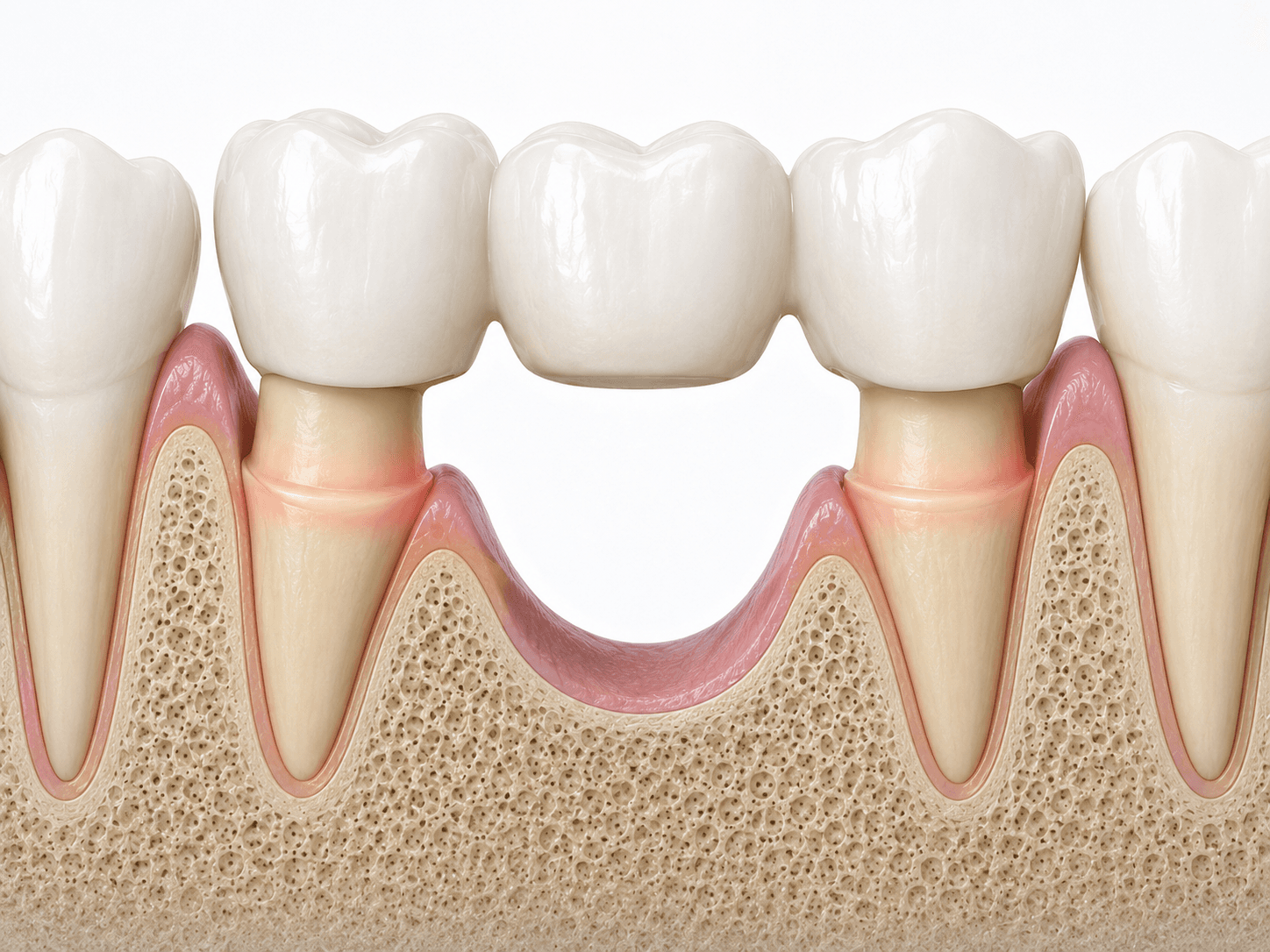
Dental implants vs. dental bridges
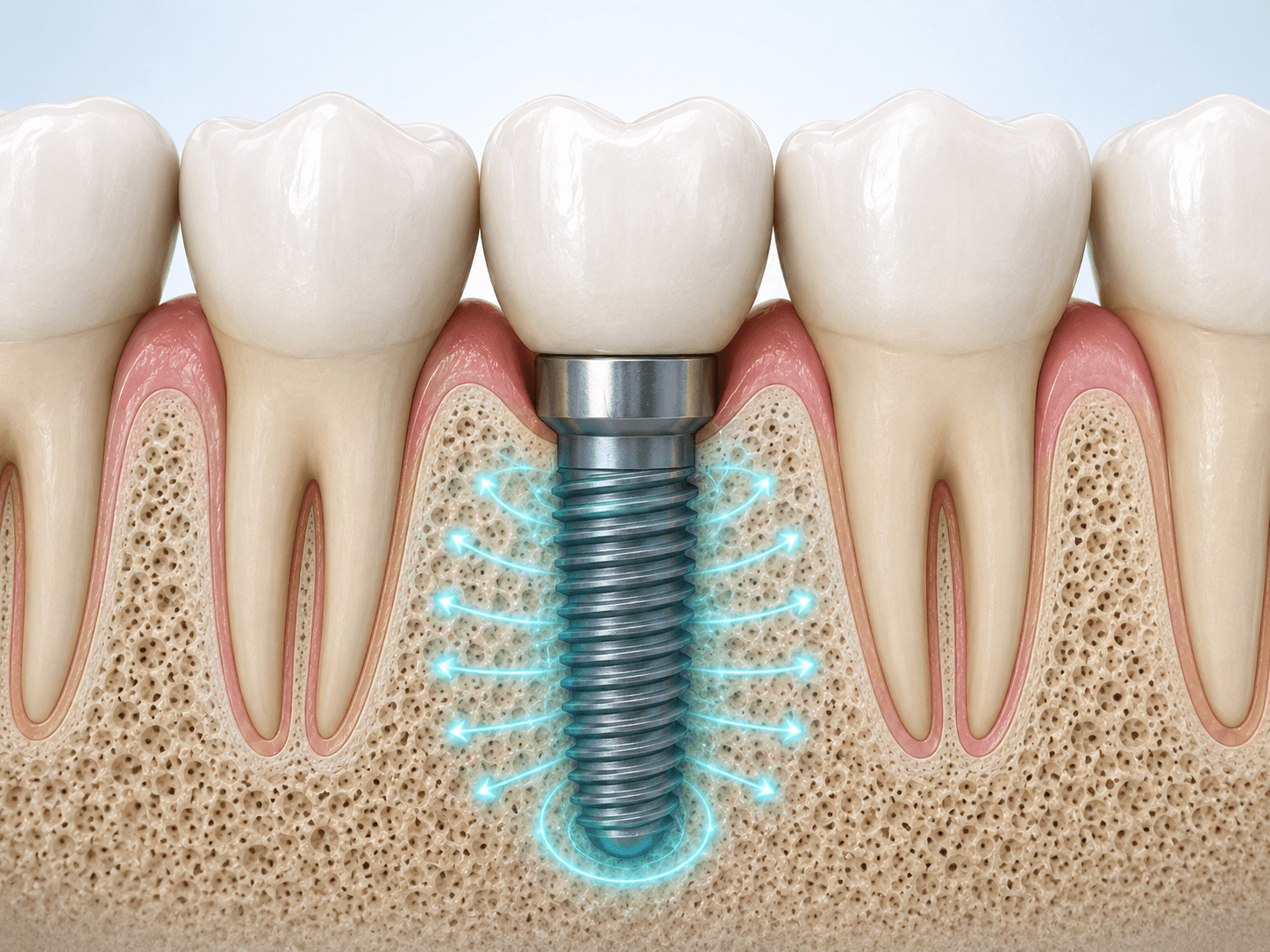
From a clinical perspective, the choice between dental implants and prosthetic bridges should be based on the long-term preservation of oral structures, chewing function, and biological stability. Dental implants replace not only the missing crown but also the tooth root, integrating directly with the bone through osseointegration. In contrast, dental bridges rely on neighboring teeth for support and do not provide direct stimulation to the bone in the missing-tooth area.
This biological difference creates several important advantages for implants:
- Preservation of jawbone - Implants transmit chewing forces into the bone, stimulating bone remodeling and helping prevent the progressive resorption that follows tooth loss. Bridges do not have an artificial root in the bone and therefore do not provide this physiological stimulation.
- No damage to neighboring teeth - A dental bridge usually requires preparation of the supporting teeth, even when they are healthy. Implants are placed independently, preserving the integrity of the natural teeth around them.
- Greater longevity and stability - Long-term studies show that dental implants, when maintained with good oral hygiene and periodic checkups, can function for decades and often for a patient's lifetime. Dental bridges usually require replacement after several years because of material wear, problems with supporting teeth, or changes in surrounding tissues.
For these reasons, in modern oral rehabilitation, implantology is considered the most conservative and biologically favorable solution for replacing missing teeth, offering an optimal combination of function, aesthetics, and preservation of natural oral structures.
The importance of jawbone health
The alveolar bone is a biologically active structure that preserves the shape, function, and stability of the entire oral system. Maintaining bone density and volume is important not only for facial aesthetics but also for proper chewing function, speech articulation, and the long-term stability of dental restorations. Losing a tooth without proper replacement gradually leads to bone resorption, reducing soft-tissue support and affecting the facial profile.
Dental implants directly help preserve this structure through:
- Natural stimulation during chewing, transmitting functional forces into the bone and preserving bone density through physiological remodeling.
- Reduced bone loss, helping prevent the progressive resorption that commonly occurs after tooth loss and preserving natural facial support.
- Restored chewing function, allowing patients to maintain a complete and balanced diet without functional limitations.
Why choose implants at Komi Dental Center?
At Komi Dental Center, implant treatments are performed with modern diagnostic and surgical technology, ensuring precise planning and long-term results.
What makes us different:
- Modern diagnostic and surgical technology for accurate implant planning
- An experienced medical team in implantology and full oral rehabilitation
- A personalized approach for every patient, from consultation to treatment completion
Start your journey toward optimal bone health
Choosing dental implants instead of dental bridges is an important step toward preserving long-term jawbone health and complete oral function. If you are considering implant treatment, the combination of modern technology, professional expertise, and personalized patient care provides an ideal solution for your dental needs.
Contact Komi Dental Center for a professional consultation and plan your personalized treatment toward a healthy, stable smile.
Frequently asked questions
Are dental implants safe?
Yes. Dental implants are considered one of the safest and most predictable treatments in modern dentistry. When the procedure is performed by qualified professionals and clinical planning and surgical protocols are followed, implant success rates are very high. Long-term stability also depends on oral hygiene, periodic checkups, and professional maintenance.
How long do dental implants last?
With good oral hygiene, regular dental checkups, and proper care, implants can function for many years and often for a patient's lifetime. Their longevity depends on factors such as periodontal health, chewing habits, smoking, and oral maintenance.
What does the dental implant procedure include?
Implant treatment usually includes several stages:
- Clinical evaluation and diagnostic planning to analyze the bone and surrounding structures.
- Surgical placement of the implant into the bone, where it acts as an artificial tooth root.
- The osseointegration period, during which the implant biologically bonds with the bone for maximum stability.
- Placement of the final prosthetic crown, restoring chewing function and natural smile aesthetics.
Who is a suitable candidate for dental implants?
A suitable candidate is any patient who has lost one or more teeth and has good general and periodontal health. Age is not a limiting factor; older patients can also be good candidates after clinical evaluation.
Is the implant procedure painful?
The procedure is usually performed under local anesthesia, so the patient does not feel pain during treatment. After surgery, there may be mild discomfort or swelling, which is usually controlled with standard medication.
How long does implant treatment take?
Treatment time depends on the clinical case and whether additional procedures such as bone grafting are needed. In many cases, treatment is completed within a few months because the osseointegration period is required for maximum implant stability.
What is the success rate of dental implants?
Dental implants are among the most predictable treatments in dentistry, with success rates that usually reach around 90-95% or higher, depending on clinical conditions and oral maintenance.
Can implants be placed immediately after tooth extraction?
In many clinical cases, implants can be placed immediately after extraction if bone conditions and local infection status allow this treatment protocol.
Do implants require special care?
Implants do not require special care beyond good oral hygiene, flossing, periodic checkups, and professional cleanings, all of which are essential for their longevity.
Can smokers get dental implants?
Smokers may have a higher risk of complications and implant failure, so stopping smoking before and after treatment is recommended to improve the success of the procedure.
Can implants be distinguished from natural teeth?
When prosthetic planning is done correctly, implants and their crowns are designed to look and function like natural teeth, providing full aesthetics and function for the patient.